






BMS DXP Deep Integration
BMS-DAM is not an isolated module but a native content layer integrated with BMS DXP. Assets flow seamlessly across stores, sites, pages, and knowledge bases—updating once updates all.
Core Advantages

BMS DXP Deep Integration: Pan-Digital Asset Connectivity
Most DAM products on the market exist as standalone systems, operating in isolation from enterprise website building, store management, content operations, and other modules. Assets must be manually transferred from DAM to actual application scenarios, making it difficult to guarantee timeliness of updates and consistency across versions. What distinguishes BMS-DAM is that it was designed from inception as a native component of the BMS Digital Experience Platform (BMS DXP)—not an external tool integrated via APIs, but an enterprise-wide content foundation deeply integrated with stores, sites, pages, knowledge bases, and other modules.
I. Automatic Store Asset Synchronization
When a primary product image is modified in DAM, all associated BMS stores automatically synchronize the update. Operations personnel no longer need to log into each store backend individually to replace assets manually, nor worry about missing or incorrect updates in any store. The asset update execution flow shifts from "people locating stores" to "system automatic push," with accuracy and timeliness guaranteed by the platform. For multi-store operations, DAM supports differentiated rules configured by store or region—e.g., the same primary image automatically receives an English brand watermark for the U.S. site and Japanese-language labels for the Japan site, eliminating the need for manual, separate handling.
II. Seamless Site Content Integration
Assets such as banners, product images, and promotional materials on site pages can be directly referenced from the DAM media library. When editors replace or modify assets in DAM, all site pages referencing those assets take effect instantly (within seconds). The common version-split issue in traditional models—where assets are updated in DAM but outdated versions remain on site pages—is eliminated at the architectural level. Brand visuals remain consistent across official websites, brand sites, campaign landing pages, and other touchpoints, freeing content operations from cross-module synchronization delays.
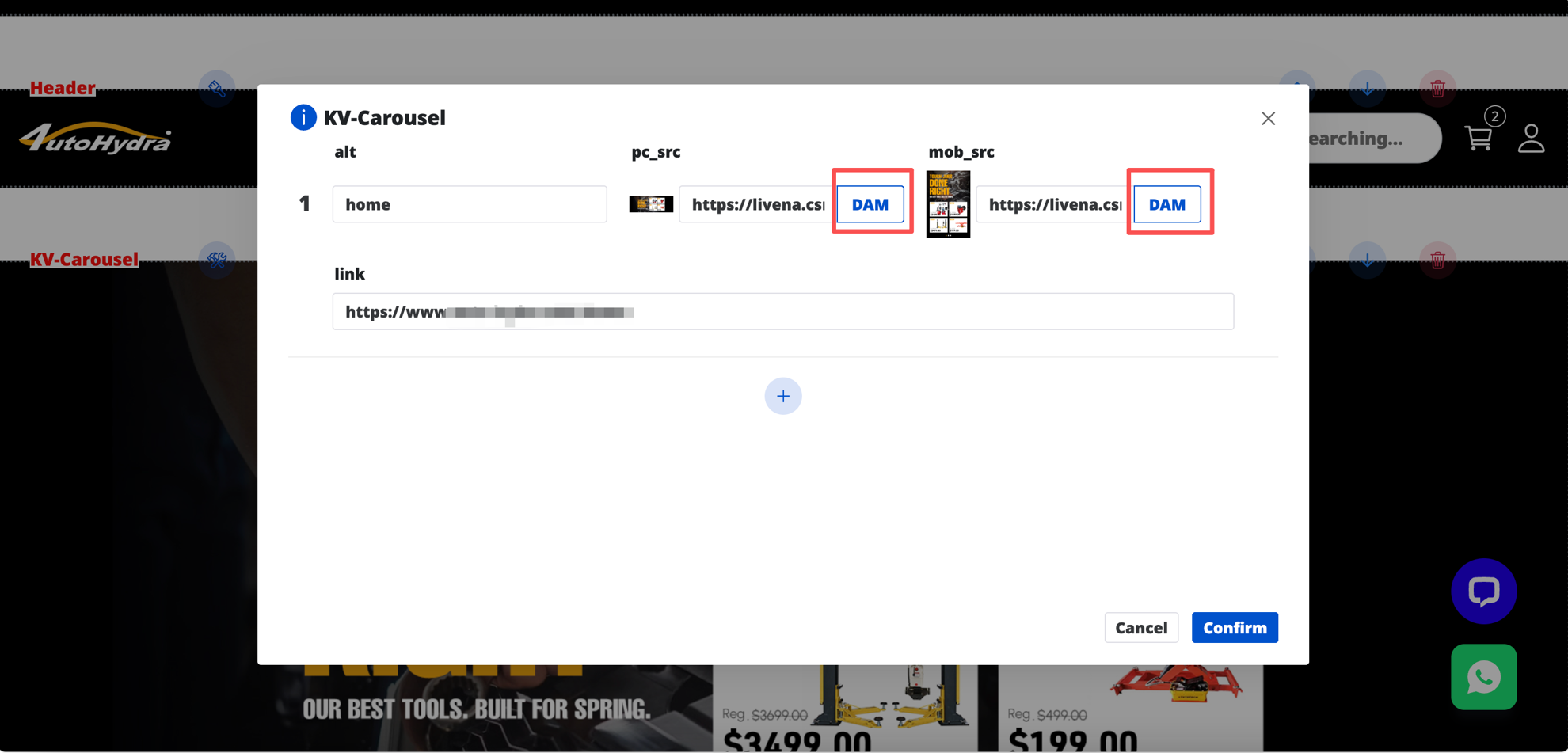
(Image: Site page referencing DAM assets)
III. Clear and Traceable Usage Details
Prior to updating or retiring an asset, users can view which BMS modules currently use it via the usage details panel—e.g., which stores are linked, which site pages embed it, and which knowledge base documents contain it. This capability is especially critical during asset replacement and compliance remediation: assess impact scope before updating to avoid broken content due to overlooked references; confirm all referencing modules have completed migration before retiring to prevent "broken links." Every asset movement within BMS DXP is traceable and its impact controllable.
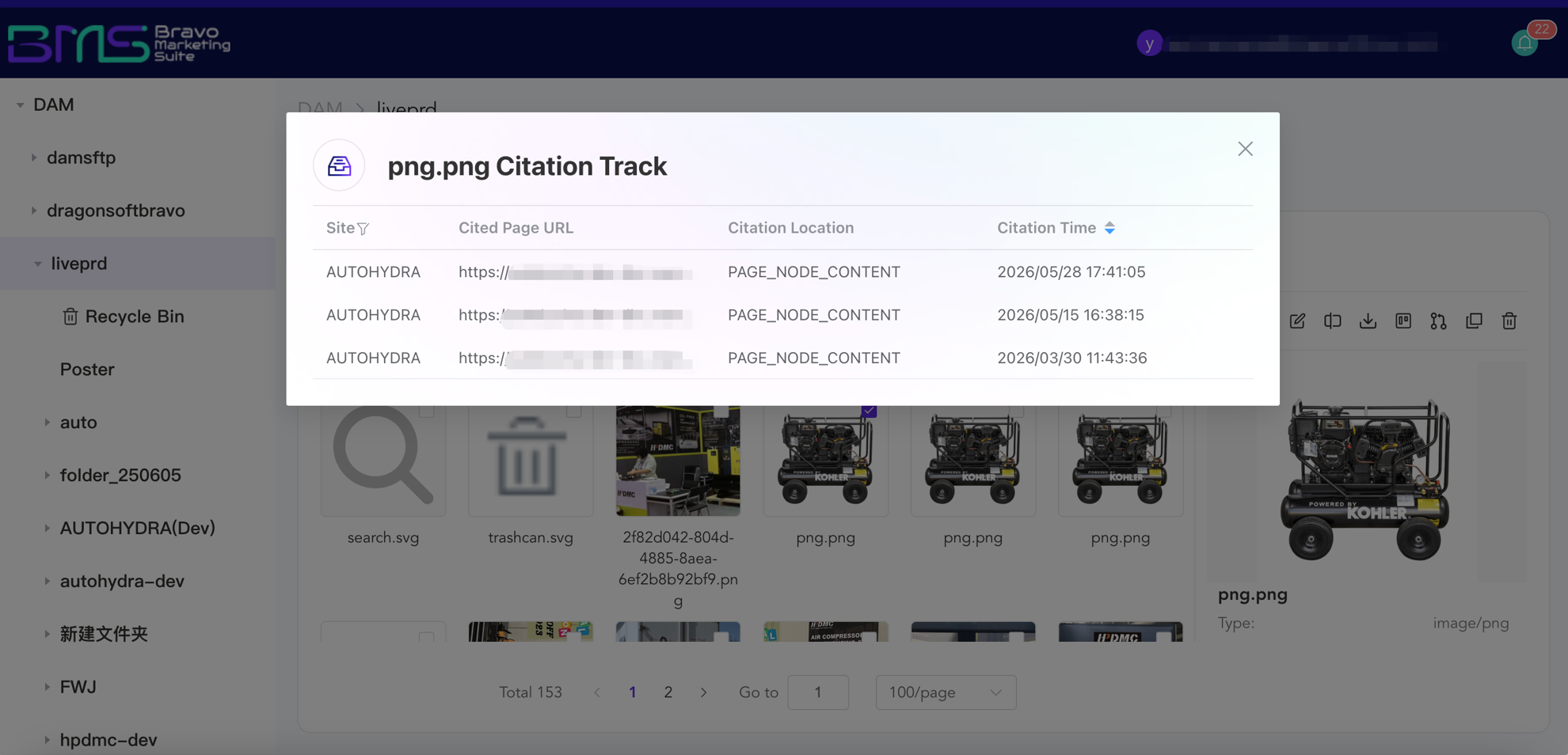
(Image: Asset usage details interface)
IV. Unified Content Foundation
The deep integration between DAM and DXP fundamentally transforms how enterprise content assets operate. Assets are no longer temporary materials for a single campaign but persistent digital elements continuously serving website building, store operations, content distribution, and knowledge management. A single set of content assets is invoked on-demand, updated uniformly, and synchronized across all modules—a structural advantage unattainable with standalone DAM plus external integrations, and the core differentiator distinguishing BMS-DAM from competing market offerings.
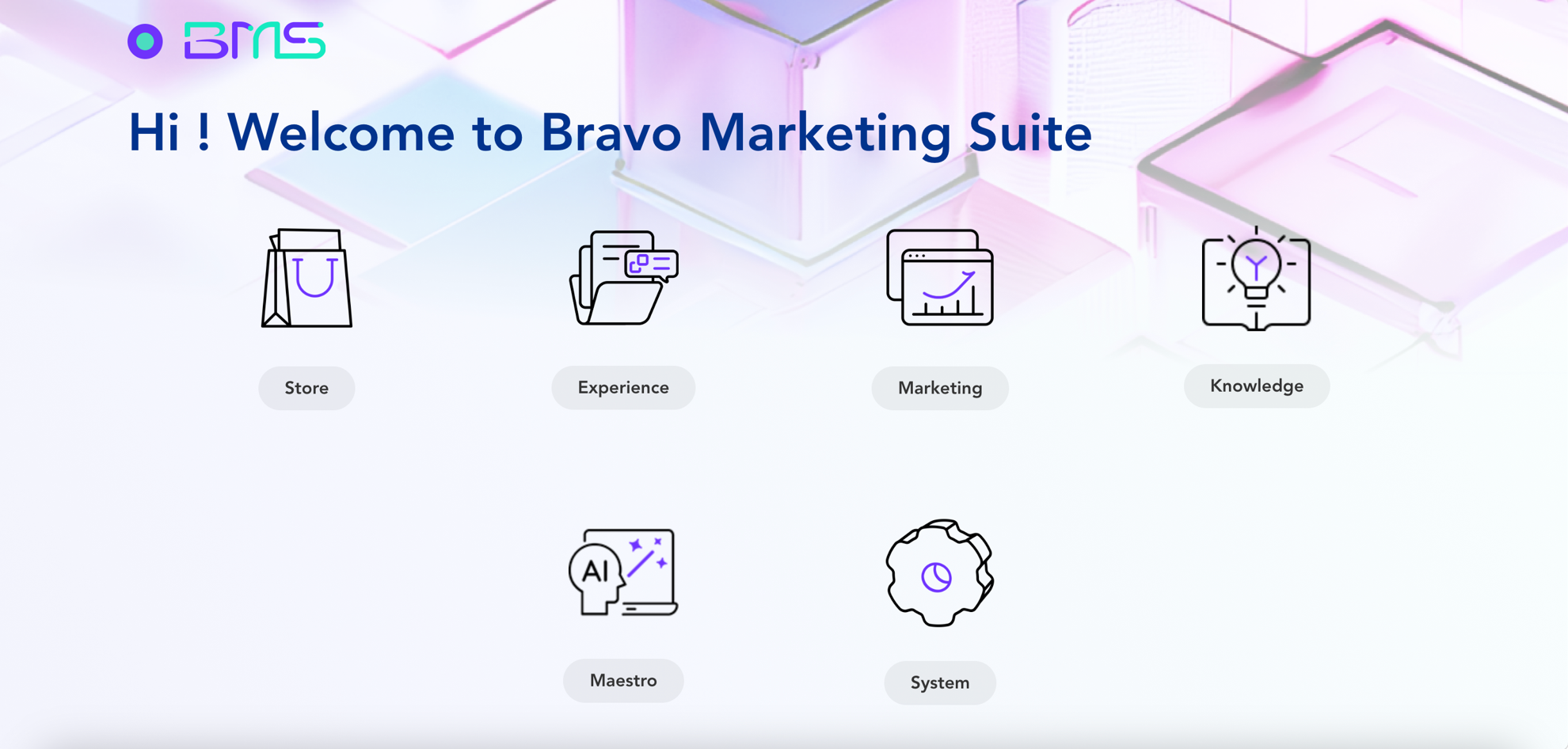
(Image: BMS DXP)
Summary
Standalone DAM solves "how to store," while BMS-DAM integrated with DXP solves "how to use." Stores, sites, pages, knowledge bases—every user-facing module of DAM and DXP connects directly, eliminating reliance on manual asset transfers and replacing process discipline with system architecture to ensure brand consistency.
Frequently Asked Questions (FAQ)
- Q1: Is the DAM and BMS DXP integration a native feature or an external integration?
A: DAM is a native module of BMS DXP, deeply integrated at the design level with stores, sites, knowledge bases, and other modules—not an externally connected tool via third-party APIs. Asset flows across modules are governed by internal platform mechanisms, requiring no additional development or configuration.
- Q2: How soon do updates to DAM assets take effect on sites and stores?
A: Updates take effect within seconds. After editing and saving, all store pages and site pages referencing the asset are automatically synchronized by the system—no manual intervention required.
- Q3: Can other BMS DXP modules write assets back to DAM?
A: Yes. Assets generated in scenarios such as store operations, site editing, and knowledge base referencing can be directly uploaded to DAM for archiving, incorporated into the unified management system, thereby establishing a complete closed loop of "creation → usage → archiving."

Want to know more about our products?
With years serving Fortune 500 clients, we offer flexible solutions and integrated implementation.
