






Multi-site Support
Digital Hub for Building a Global Brand Matrix
Core Advantages

Product Deep Dive: How Our BMS Digital Experience Platform Enables Efficient Multi-Site Cluster Management
Industry Pain Points and Current Status: When enterprise operations span multiple brands or countries, traditional CMSs often become creators of "information silos". Most products on the market adopt independent deployment models, forcing headquarters to log into hundreds of backends repeatedly every time a feature or logo is updated—resulting not only in low efficiency but also a high risk of brand visual inconsistencies ("drifting") and delays across regions.
Our BMS DXP Implementation Solution: We have built a digital asset hub based on "centralized control and scalable distribution". Through the underlying DAM (Digital Asset Management), all enterprise visual assets and code modules are consolidated into a shared pool.
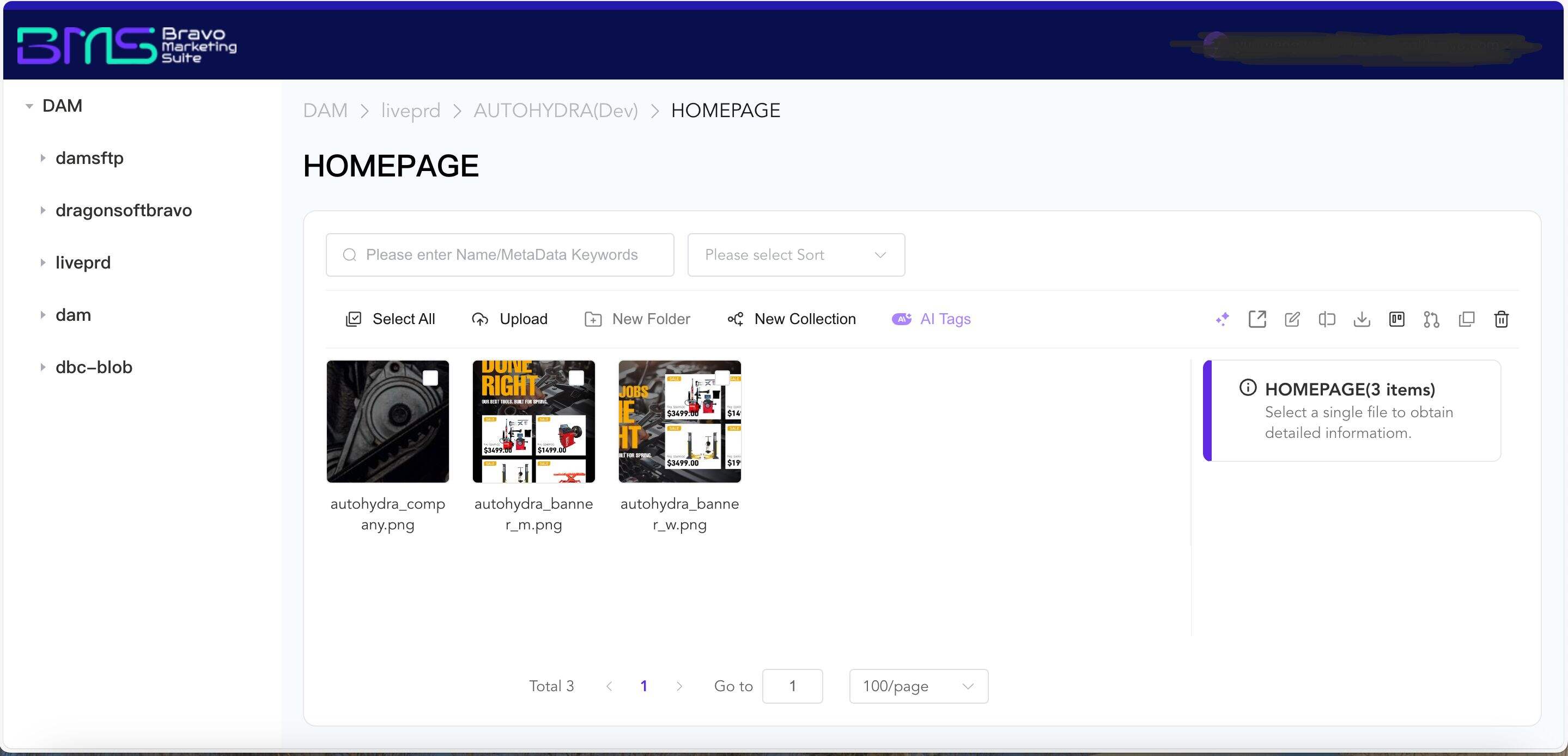
The core logic lies in balancing "logical isolation with physical sharing". Operations teams leverage LiveCopy technology to rapidly clone proven master-site architectures to new markets, coupled with AI-powered translation for localized adaptation. This architecture ensures that while global sites maintain independent domains and SEO strategies, their underlying functional components and brand standards remain centrally governed by headquarters.
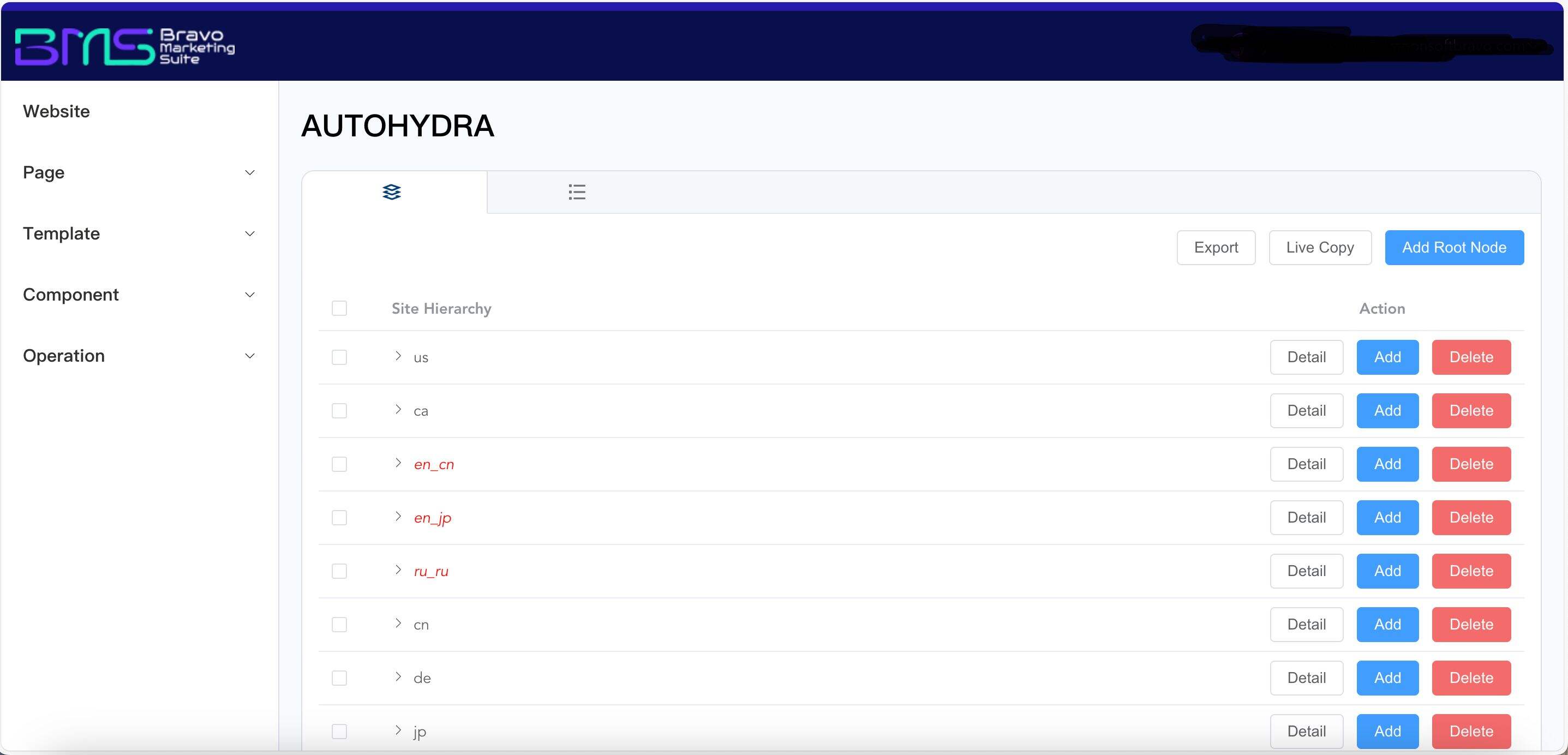
Through this "digital central hub"-style management, enterprises no longer operate each webpage in isolation; instead, they drive an organic content ecosystem. Regardless of business expansion, the underlying digital foundation maintains exceptional consistency and flexibility—truly enabling massive global commercial matrices with minimal human effort.
Frequently Asked Questions (FAQ)
Q1: If multiple sites share code, will issues on one site affect others?
A1: No. We employ a "core-sharing + logical isolation" design. Global code undergoes rigorous version control, while business data and personalized configurations for each site are stored independently—ensuring absolute robustness of individual sites within the cluster environment.
Q2: Can different sites use distinct domains, SEO strategies, and languages?
A2: Yes, absolutely. The system supports independent domain resolution. Each subsite can have fully independent URL structures, metadata policies, and language targeting—perfectly accommodating differentiated operational requirements across multiple brands.
Q3: Why is centralized DAM-based asset management critical for brand integrity?
A3: Traditional distribution often causes outdated assets to linger on individual sites. With a unified DAM system, all global sites pull only the latest, headquarters-approved "standard components"—eliminating brand visual distortion risks at the source.

Want to know more about our products?
With years serving Fortune 500 clients, we offer flexible solutions and integrated implementation.
